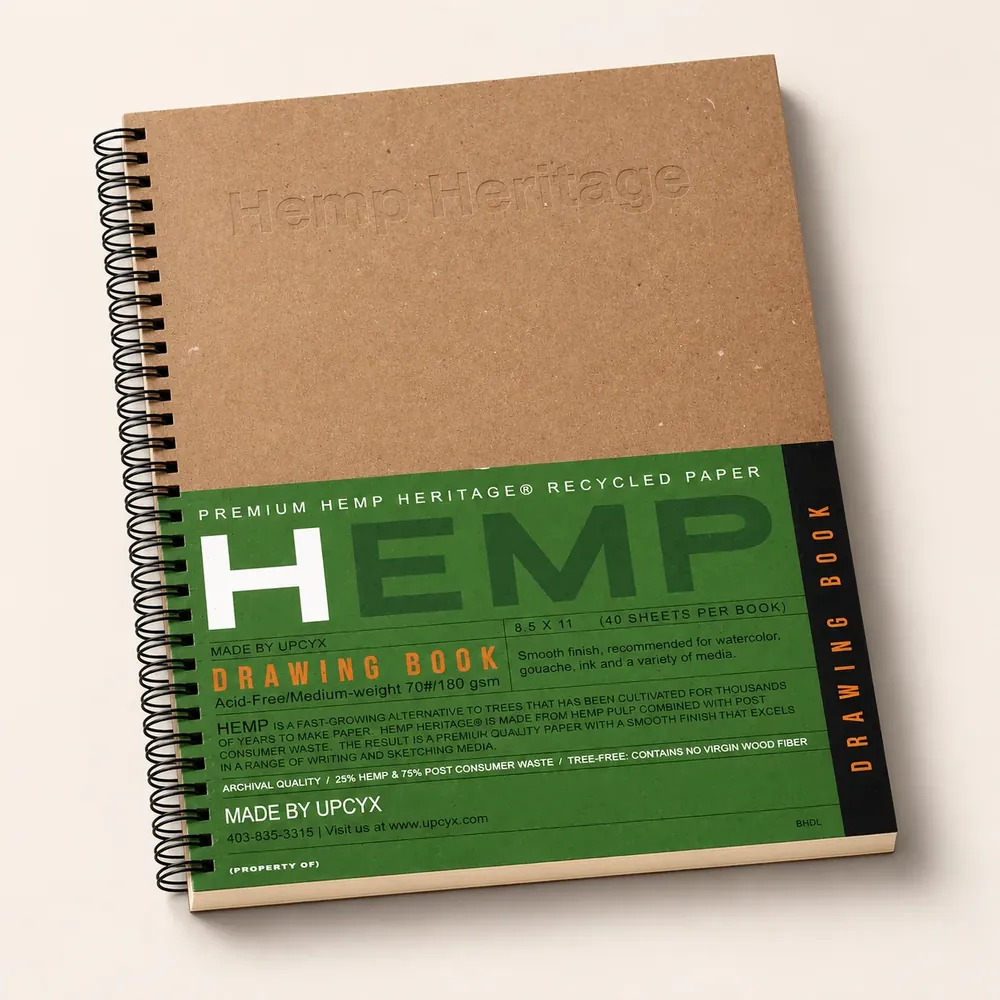
Hemp Heritage paper is acid-free. Mill tests on all four weights show a pH between 8.2 and 8.4, which is on the alkaline side of neutral. Acid-free paper holds up far better over the years than acidic paper does.
We will not put a number of years on it, because how long any paper lasts depends as much on where you keep it as on what it is made of.
What "acid-free" means
The pH scale runs from acidic at the low end to alkaline at the high end, with 7 in the middle as neutral. Acid-free paper has a pH of 7 or higher.
It matters because acid slowly breaks down cellulose, the material paper fibres are made of. That is why old paperbacks turn yellow and their pages snap when you fold them. Leave a newspaper on a windowsill for a week and you can watch the same thing happen in fast forward.
A sheet that starts out alkaline does not carry that problem inside it.
What "buffered" means
Paper also picks up acid from outside: from polluted air, from the oils on your hands, from a cardboard box it was stored in. A buffered paper holds a small alkaline reserve that neutralises that acid as it arrives.
Hemp Heritage paper is naturally buffered.
What "archival" does and does not mean
There is no single legal definition of archival. In everyday use it means a paper that is acid-free and made from strong, stable fibre, so it can be expected to last. It describes the sheet, and it says nothing about the attic you store it in.
Why the hemp matters
Paper is held together by cellulose. Our spec sheet lists hemp paper at about 85% cellulose, against roughly 30% for tree paper, and hemp fibres are longer. Longer fibres make a sheet that stands up better to sunlight, heat and damp.
Our paper is also chlorine-free, and nothing in it is bleached or dyed.
How to make work on paper last
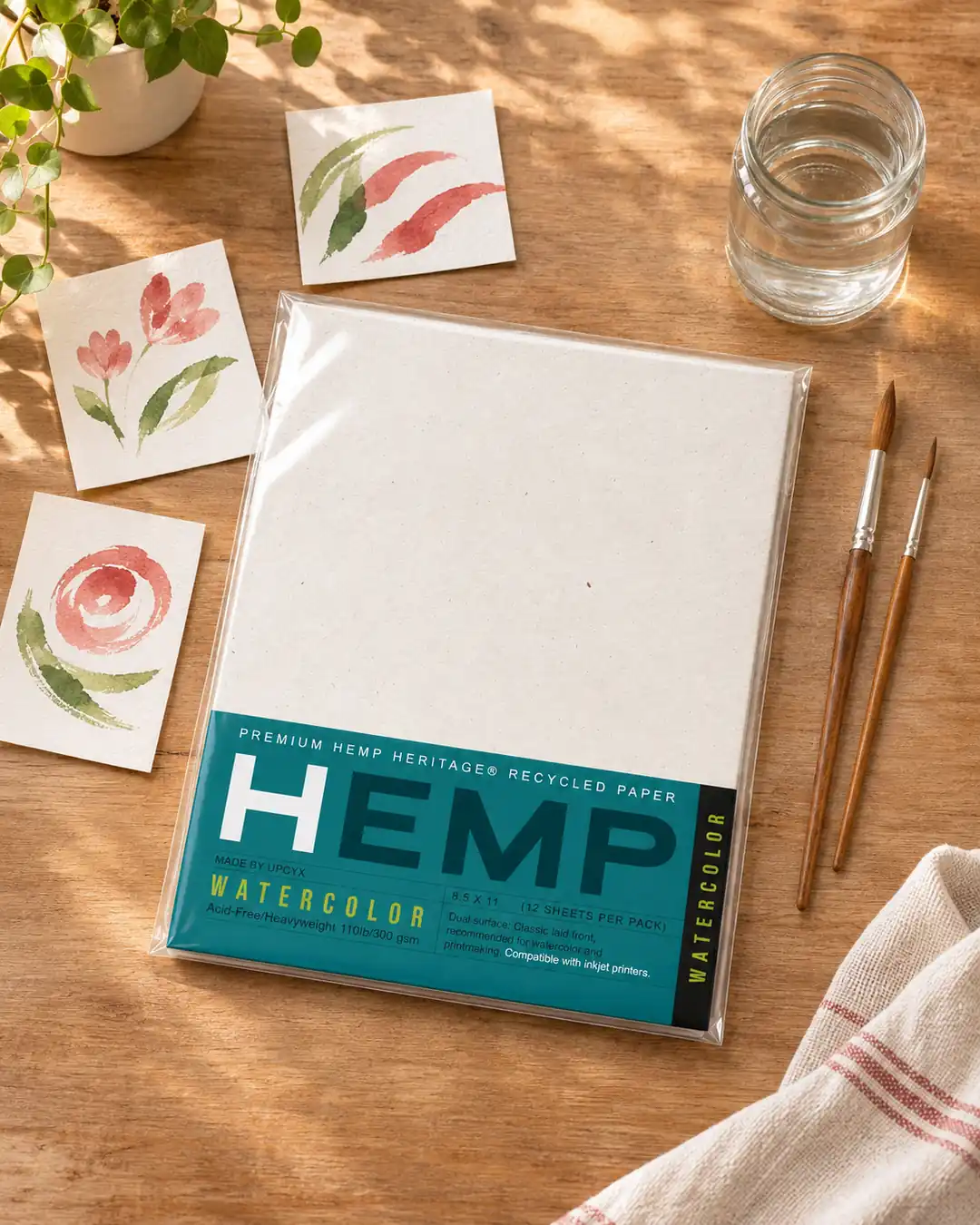
The sheet is half of it. The rest is up to you.
- Keep it out of direct sun. Light fades pigment and ages paper. A hallway wall is kinder than a south-facing window.
- Keep it dry and steady. Damp basements and hot attics are the two worst places for paper. A cupboard in a lived-in room is better than either.
- Frame with acid-free materials. An acid-free sheet pressed against an acidic mat or backing board will pick up acid from it. Ask the framer what they use.
- Do not put tape on the artwork. Ordinary tape yellows and stains. Use photo corners or archival hinges.
- Handle it with clean hands. Especially along the edges, where you tend to pick a sheet up.
Which papers this applies to
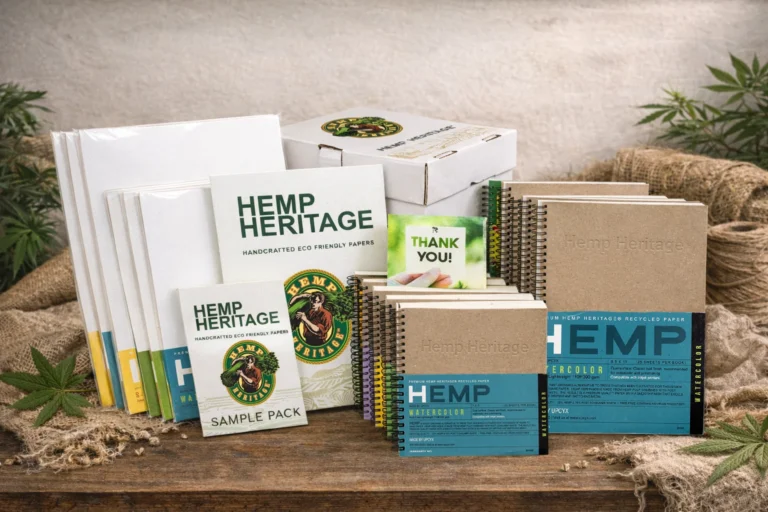
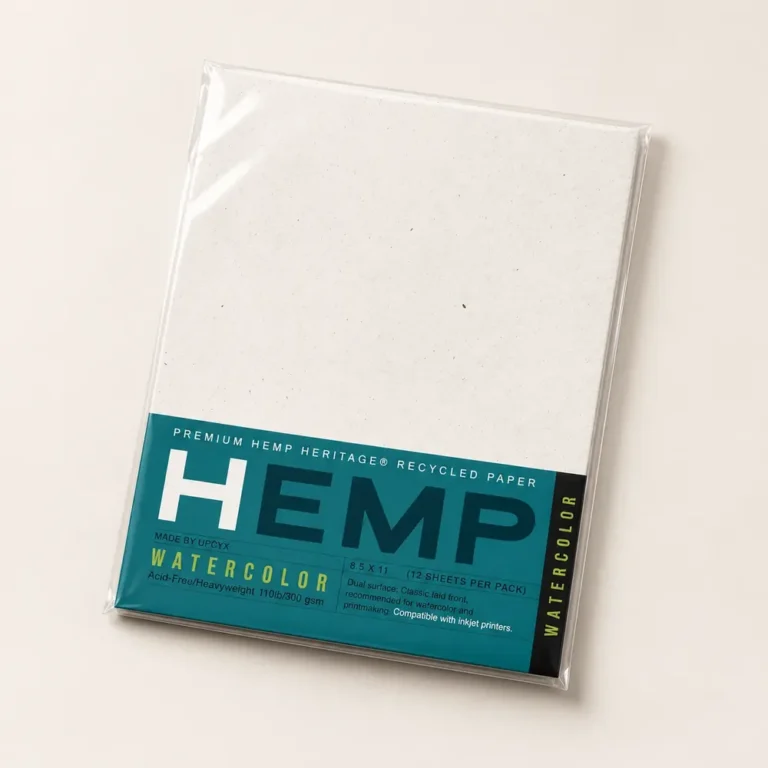
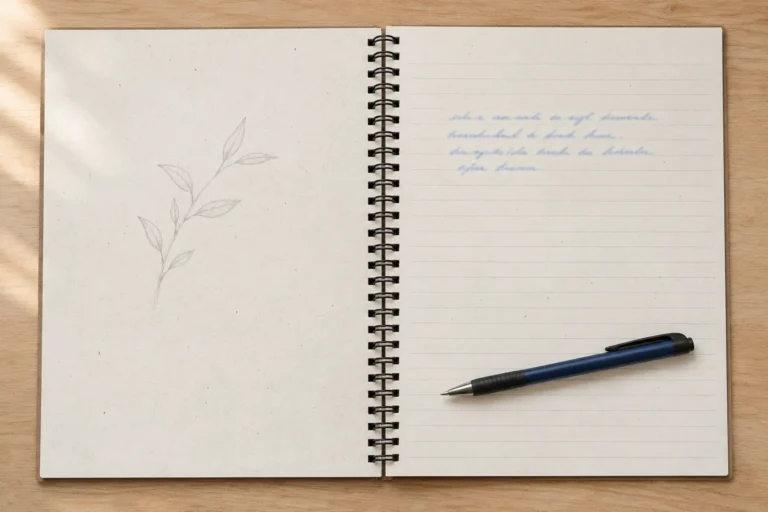
All of them. Every Hemp Heritage weight shares the same recipe, from the 90 gsm journal page to the 300 gsm watercolour sheet. That includes the paper in our journals and sketchbooks, the loose sheets in our fine art packs, and paper by the ream.
It matters most where the work is meant to be kept:
- A journal you will want to read in twenty years.
- A drawing or painting you plan to frame.
- Letters, certificates and wedding stationery.
Drawing Book
- Paper: 40 sheets of 70# (180 gsm)
- Sizes: Medium 7" x 7" and Large 8.5" x 11"
- Build: Extra-heavy debossed chipboard cover, black wire binding
Good for: pastel, charcoal, watercolour, gouache, pen and ink.
Related reading
- The Artist's Guide to Hemp Heritage Paper lists every paper, with its weight and best use.
- What does chlorine-free and unbleached paper mean? covers the other half of the label.
- Why choose Hemp Heritage paper? gives seven reasons.
Made on hemp paper
Journals, stationery, and fine art paper made from 25% hemp and 75% post-consumer recycled fiber.