We do use hemp for paper, but only a little. Hemp makes a good sheet. Almost all paper is made from trees anyway, because wood pulp is far cheaper, the mills are built for wood, and for about sixty years hemp could not legally be grown in North America. Here is each reason in turn.
1. Wood got there first, and it got big
Until the mid-1800s paper was made from rags, and some of those rags were hemp. Then papermakers learned to pulp wood. Wood was cheap and there seemed to be no end of it, and within a few decades it had taken over.
The industry that grew from that is enormous. A single modern wood pulp mill turns out hundreds of thousands of tonnes a year. Nothing made in small batches can match its price.
2. The law took hemp out of the fields
Rules written against marijuana caught industrial hemp as well. Growing it became impractical in the United States after 1937, and Canada banned it in 1938. Canada allowed it again, under licence, in 1998. The United States followed in 2018.
For most of the twentieth century, then, nobody in North America could build a hemp paper business. Wood had the field to itself. The history of hemp paper tells that story in full.
3. Hemp pulp costs more
Hemp pulp is often quoted at several times the price of wood pulp. Three things push the cost up:
- The harvest comes once a year. Trees can be cut in any month. Hemp comes off the field in one season and has to be stored until the mill needs it.
- Only part of the stalk is prime fibre. The long, strong fibres are in the outer layer. They have to be separated from the woody core before pulping.
- Few mills can do it. Paper mills are set up for wood chips. Only a handful in North America can turn hemp into pulp.
4. So hemp goes where it earns its keep
Because it costs more, hemp pulp goes into papers where its long fibre is worth paying for. Cigarette paper, banknotes and technical filter papers have used it for decades. Stationery and art papers, like ours, are a smaller part of the picture.
Will that change?
Slowly, perhaps. Hemp has been a legal crop again for only one generation in Canada and less than that in the United States. Companies have announced plans for new hemp pulp mills in North America, but a pulp industry takes decades to build.
What it means if you want hemp paper now
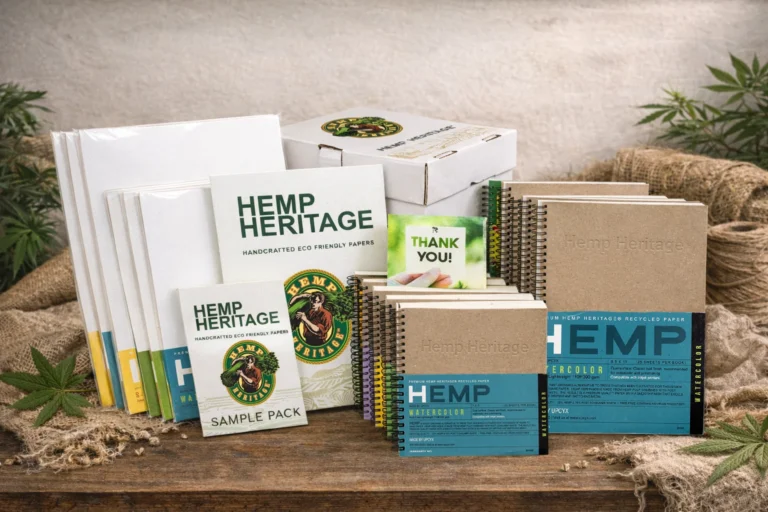
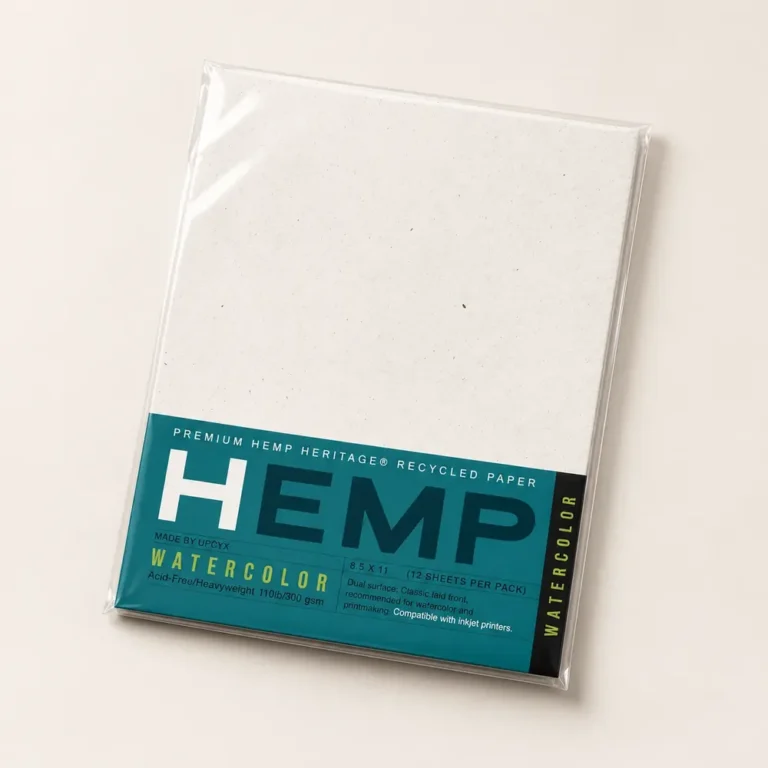
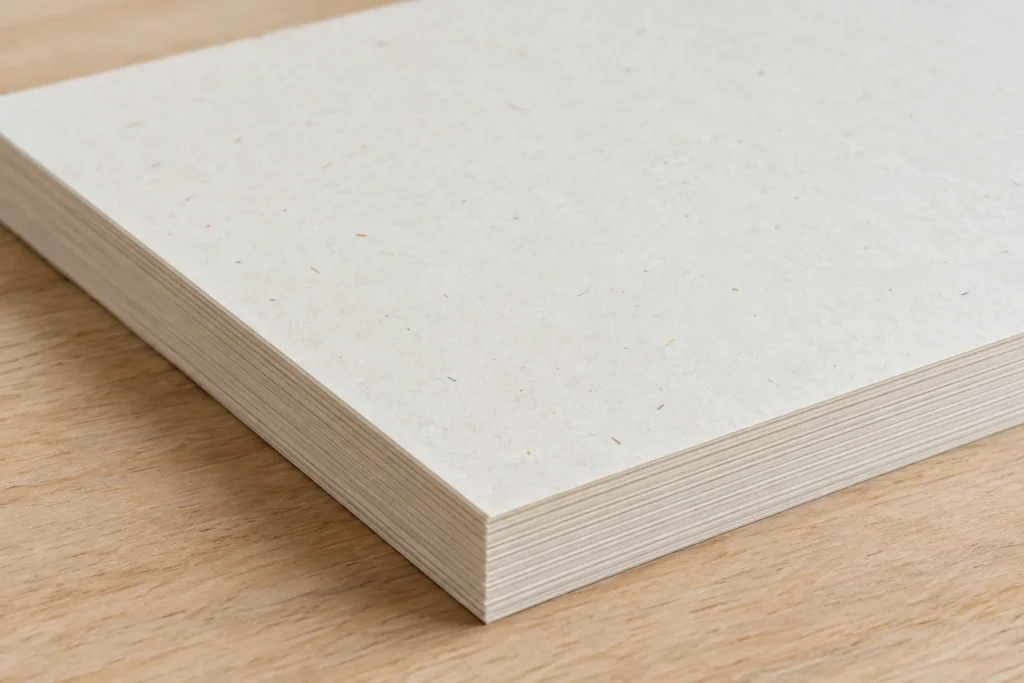
The practical route today is a blend. Hemp Heritage paper is 25% hemp and 75% post-consumer recycled fibre. The hemp brings long new fibre. The recycled fibre keeps used paper in service and keeps the price within reach. No virgin wood pulp goes into the sheet.
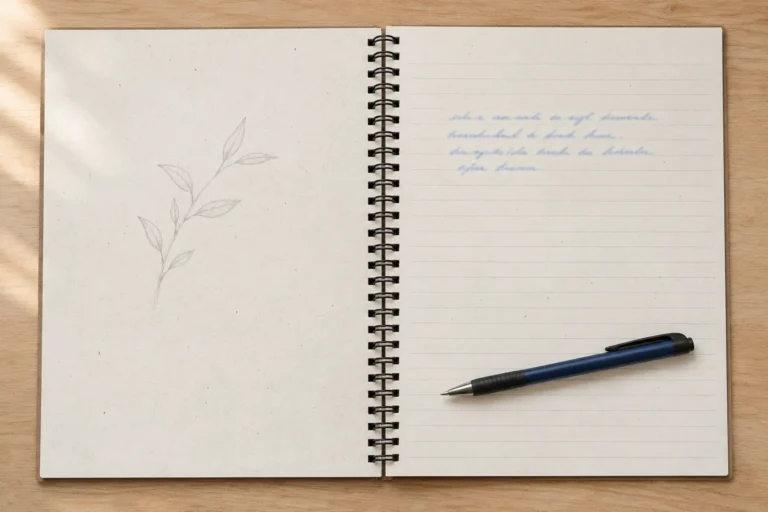
It still costs more than copy paper, for every reason above. We think it belongs where the paper itself matters: a journal you will keep, a drawing, letterhead, an invitation.
Keep reading
- Hemp paper vs tree paper: how the two sheets compare in use.
- How hemp paper is made, step by step.
- See what hemp paper is and where to buy it.
Made on hemp paper
Journals, stationery, and fine art paper made from 25% hemp and 75% post-consumer recycled fiber.